Take Pressure Off Painful Discs Without Surgery
Herniated discs, sciatica and degenerative disc disease can make sitting, sleeping and working hard to get through. At Atkins Chiropractic in University Place, WA , spinal decompression therapy gently stretches the spine to relieve pressure on discs and nerves. It is a comfortable, drug-free way to calm pain and help your body heal on its own.
Request an AppointmentWhat Is Spinal Decompression Therapy?
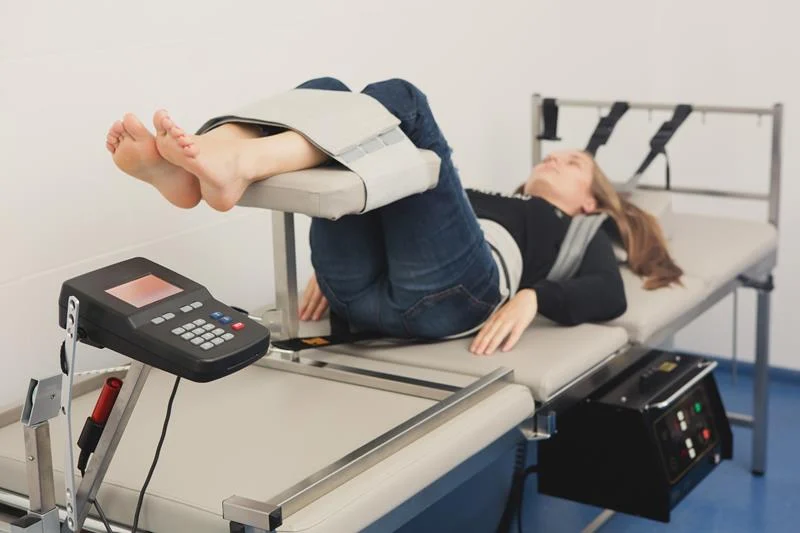
Spinal decompression is a gentle, controlled traction therapy performed on a specialized treatment table. The table slowly lengthens the spine and creates negative pressure inside the affected discs. That lower pressure can help a bulging or herniated disc pull back away from irritated nerves and allows water, oxygen and nutrients to move back into the disc.
Unlike a quick stretch or a one-time adjustment, decompression works in slow, measured cycles of pulling and relaxing. Most patients find the sessions relaxing, and many fall asleep on the table.
How Decompression Supports Healing
By easing the load on your spinal discs, decompression therapy can help:
- Rehydrate damaged or worn discs
- Improve blood flow to spinal structures
- Reduce pressure on pinched or irritated nerves
- Restore mobility and lower pain levels
Conditions Spinal Decompression Can Help
We often recommend decompression for patients dealing with:
- Herniated or bulging discs
- Sciatica and radiating nerve pain down the leg
- Degenerative disc disease
- Chronic lower back or neck pain
- Spinal stenosis
- Facet joint irritation
If you are dealing with ongoing low back discomfort, learn more about our approach to back pain treatment. Decompression can also be part of a care plan for disc problems in the upper spine that cause neck pain, numbness or tingling in the arms.
What to Expect During a Session
Your first step is a thorough consultation and exam so we can confirm that decompression is a good fit for your condition. During each session, you lie fully clothed on the decompression table and a comfortable harness is fitted around your hips or neck, depending on the area being treated. The table then applies slow, gentle traction in cycles for a set amount of time.
Sessions are painless. You may feel a mild stretch as the spine lengthens. Afterward, you can return to most normal activities. Because discs heal gradually, decompression is usually done as a series of visits over several weeks, and many patients notice less pain and better movement as their care progresses.
Combining Decompression With Chiropractic Care
Spinal decompression often works best alongside chiropractic adjustments, targeted exercises and posture guidance. Adjustments help restore normal joint motion, while decompression addresses the discs themselves. Together, they support longer-lasting relief and help reduce the chance of the problem returning.
Why Patients Choose Atkins Chiropractic
Our team is committed to safe, effective and personalized spinal care. We take time to understand your history, explain your options clearly and build a plan around your goals, whether that means sleeping through the night, getting back to work or returning to the activities you love. If this is your first visit, our new patient page explains what to bring and what happens at your first appointment.
Spinal Decompression FAQs
Is spinal decompression therapy painful?
No. Spinal decompression is gentle and most patients find it relaxing. You may feel a mild stretching sensation in your back or neck while the table slowly lengthens the spine, but the treatment should never hurt.
How many decompression sessions will I need?
It depends on your condition, how long you have had symptoms and how your body responds. Disc healing takes time, so decompression is usually done as a series of visits over several weeks. We will recommend a plan after your exam.
Who is a good candidate for spinal decompression?
People with herniated or bulging discs, sciatica, degenerative disc disease, spinal stenosis or chronic back and neck pain are often good candidates. Your exam helps us confirm whether decompression is right for you.
Who should not have spinal decompression?
Decompression may not be appropriate for people who are pregnant, have had spinal fusion or metal implants in the spine, or have certain fractures, tumors or advanced osteoporosis. We review your health history carefully before starting care.
How is spinal decompression different from regular traction?
Traditional traction applies a steady pull, which can cause muscles to tighten and resist. Spinal decompression uses slow, controlled cycles that allow the muscles to relax so the pressure inside the disc can be lowered more effectively.
Can spinal decompression help me avoid back surgery?
Many patients with disc-related pain explore decompression as a non-surgical option before considering surgery. While no treatment works for everyone, decompression gives many people meaningful relief without injections, medication or downtime.
Can I go back to normal activities after a session?
Yes. Most patients return to their usual daily activities right after treatment. We may suggest avoiding heavy lifting or high-impact exercise for a period of time and will give you simple stretches or habits to support your recovery.
Find Out If Decompression Is Right for You
Living with disc pain or sciatica does not have to be your normal. Call Atkins Chiropractic at (253) 752-7522 or request an appointment online to schedule a consultation in University Place, WA and take the first step toward lasting, non-surgical relief.